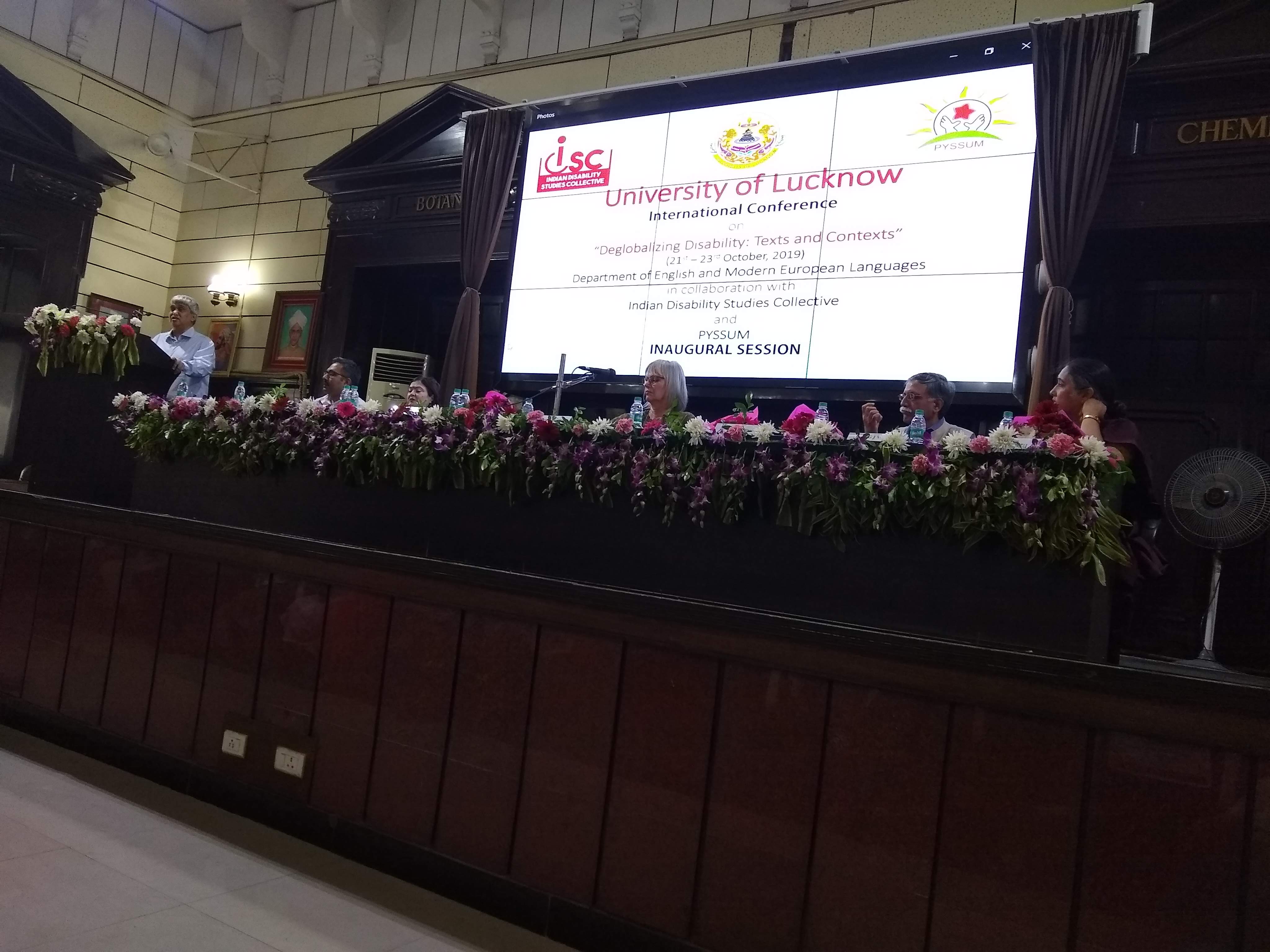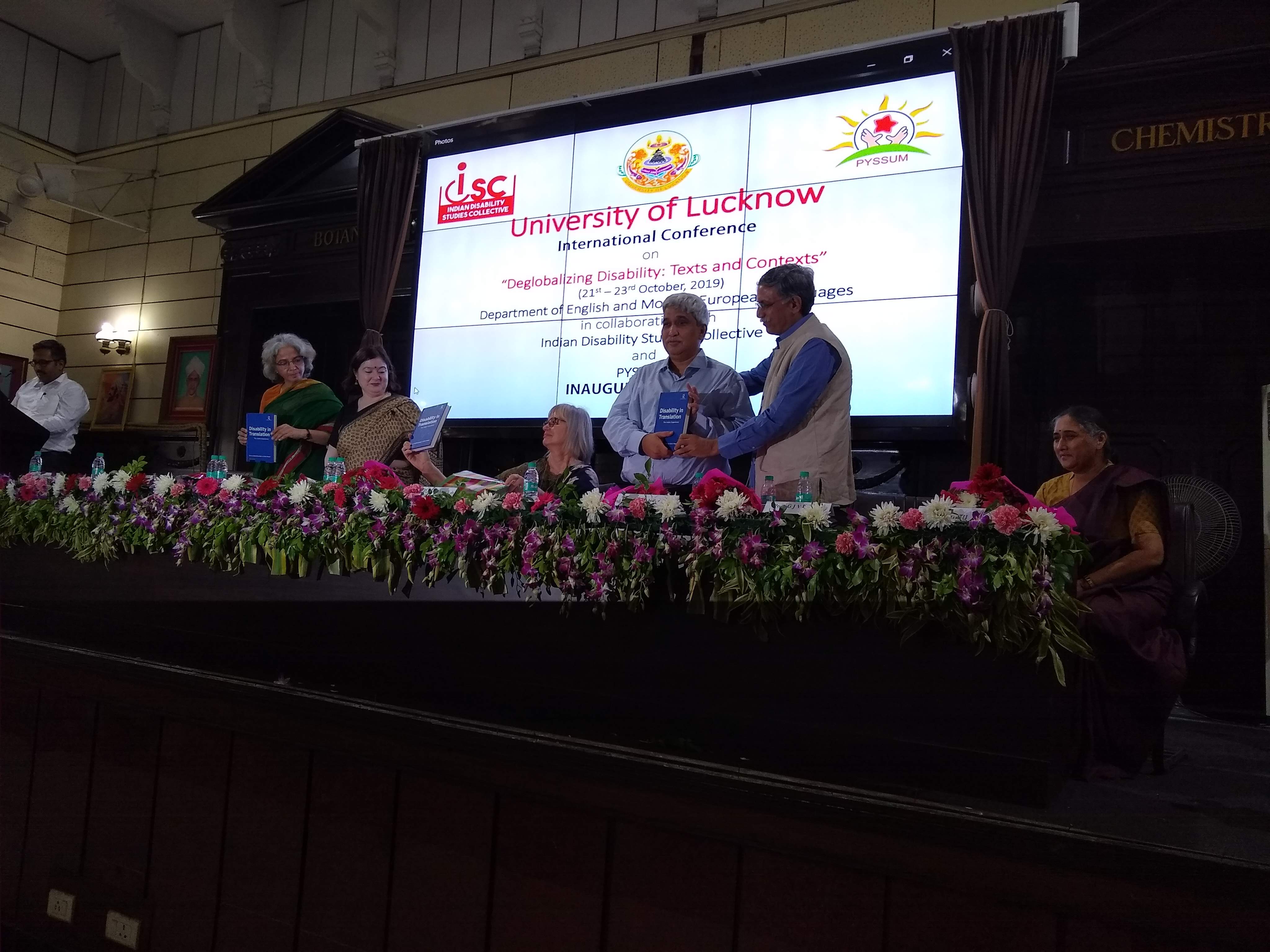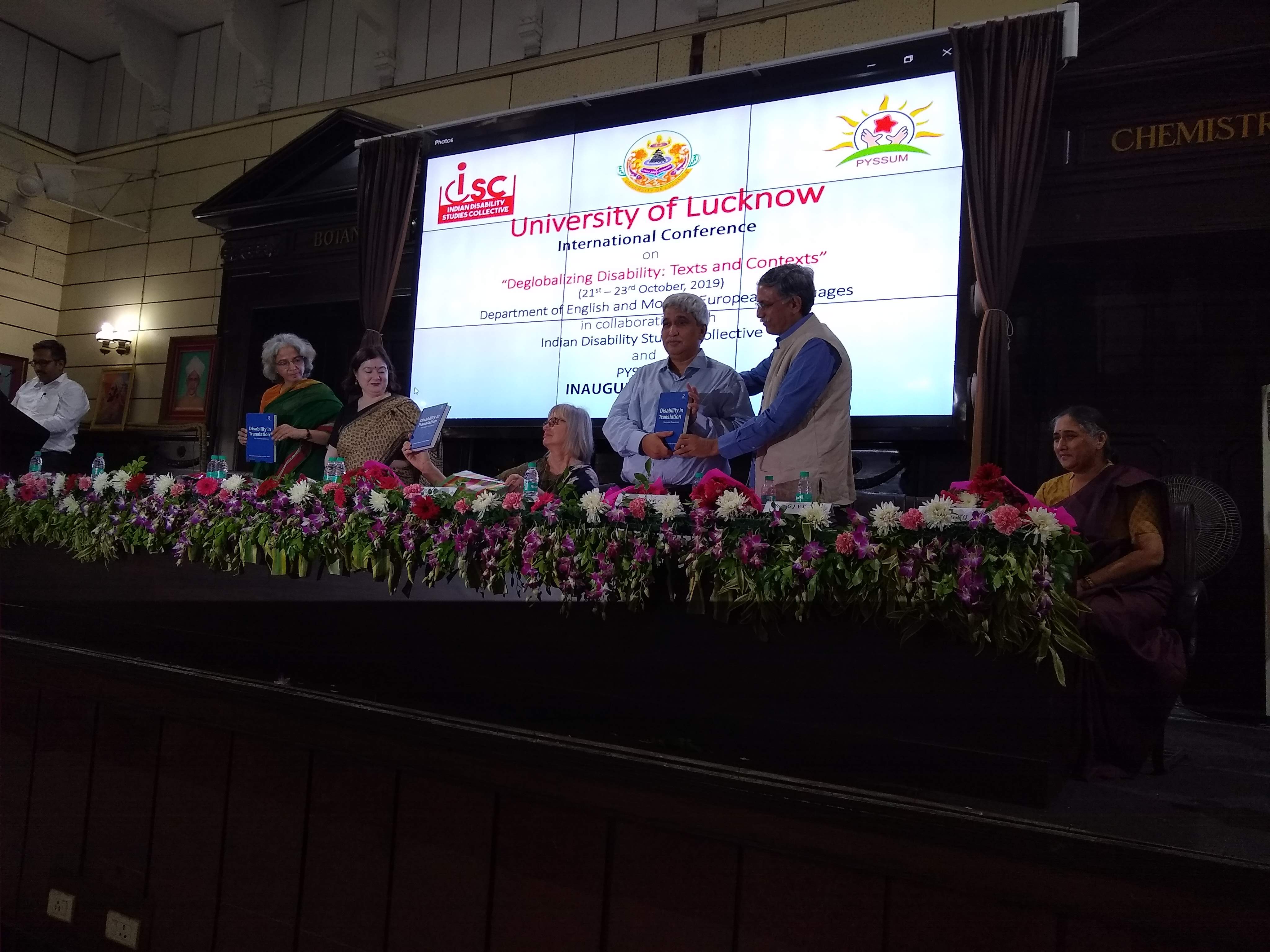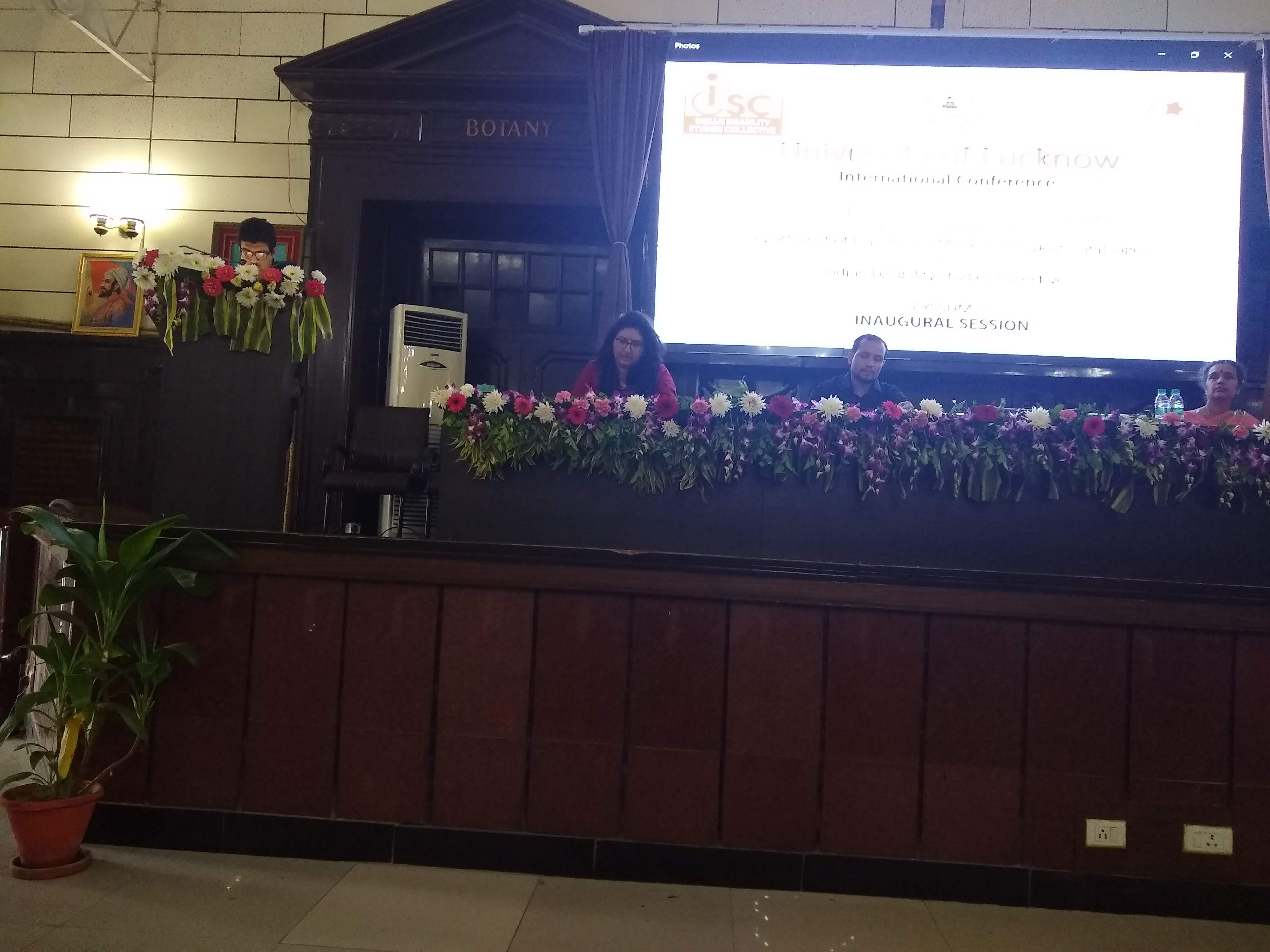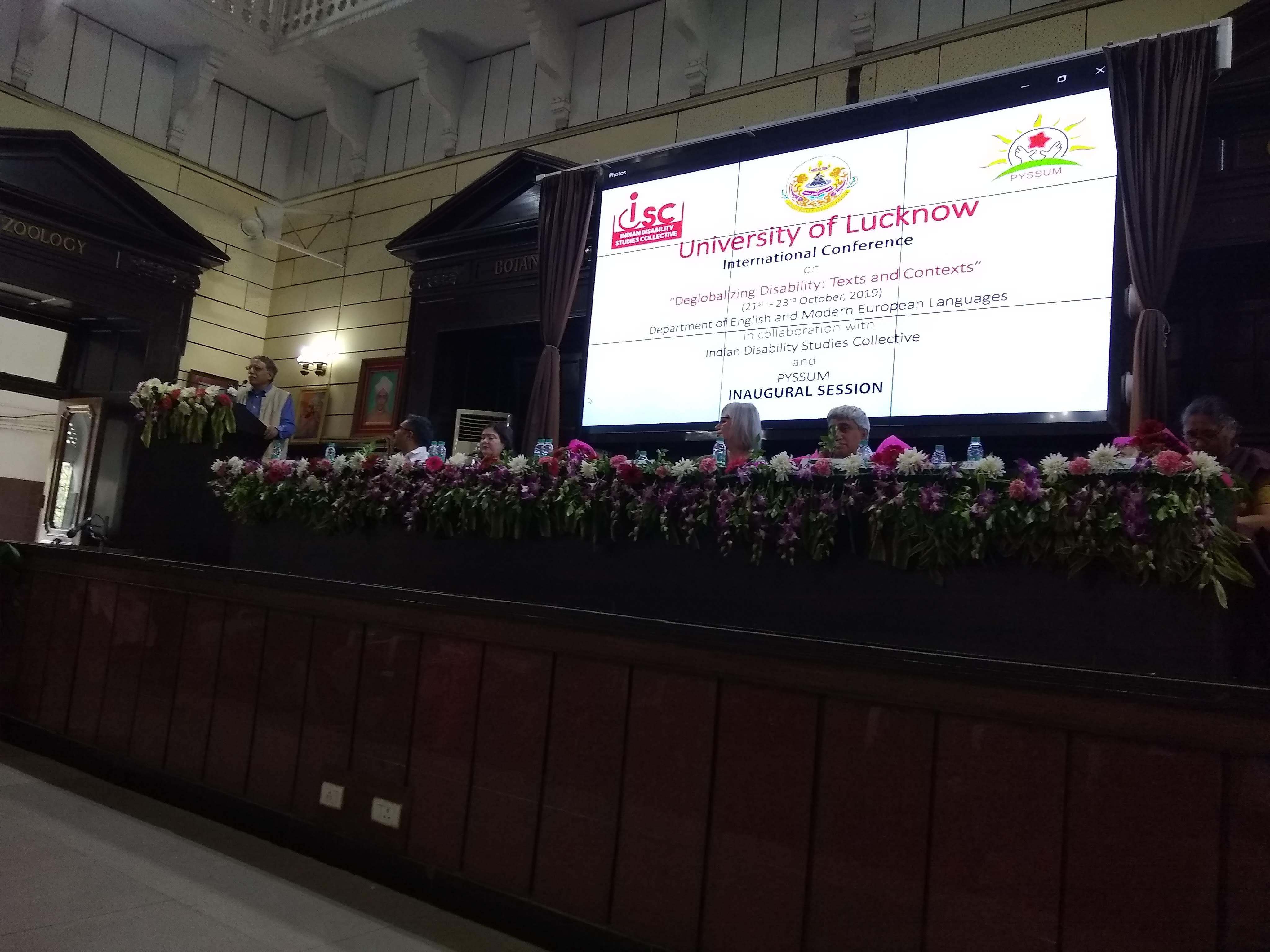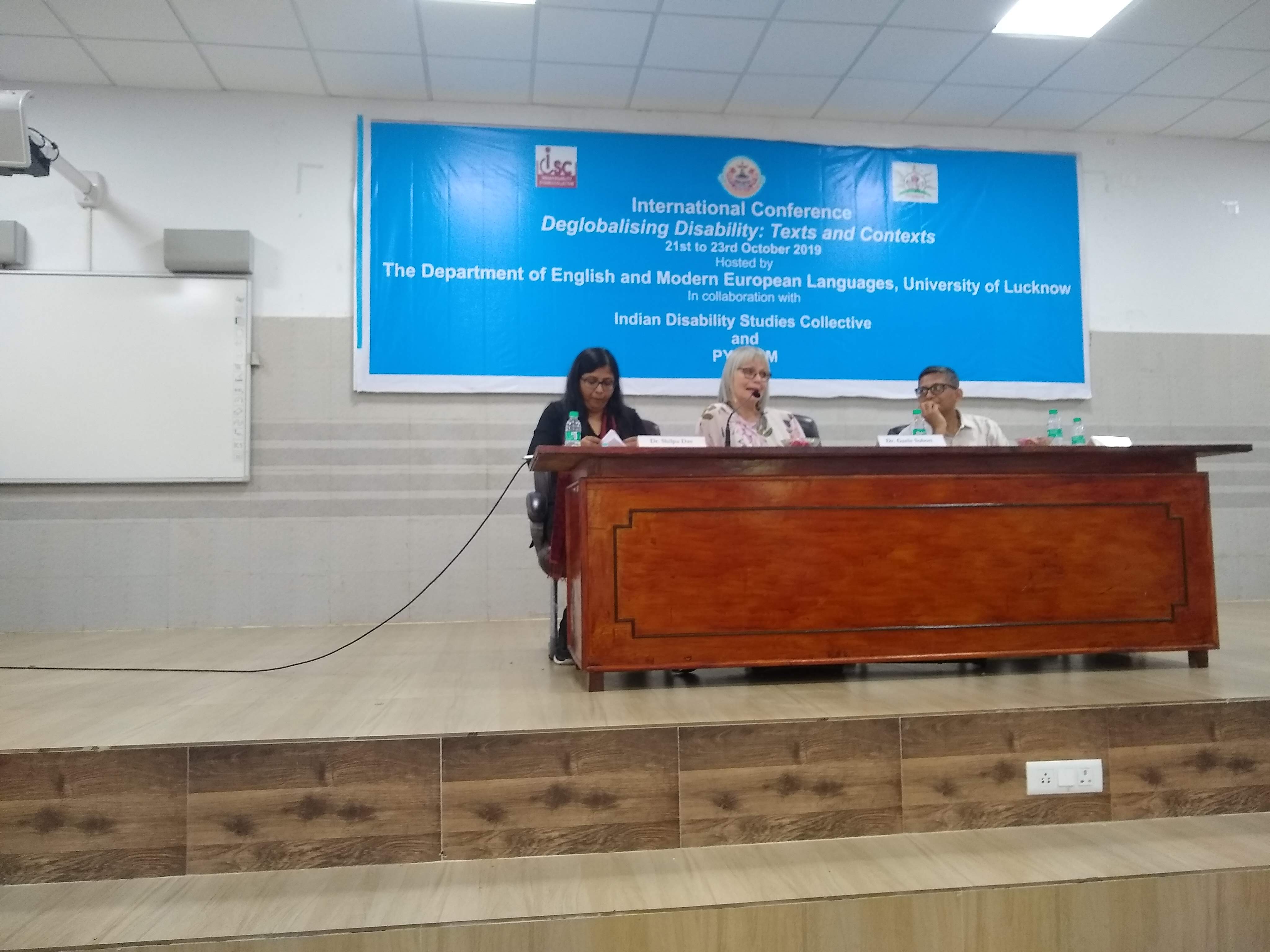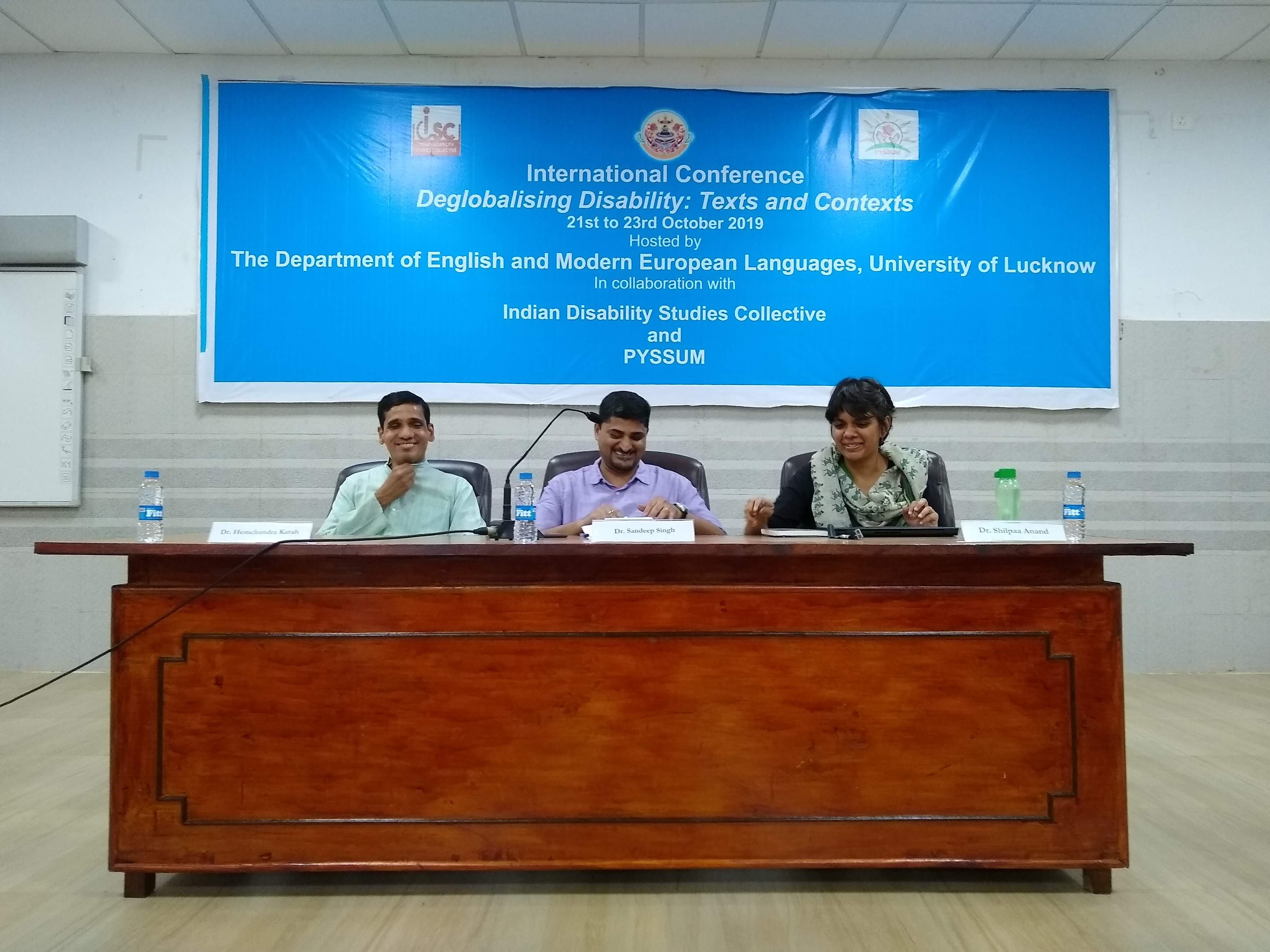
About the Event
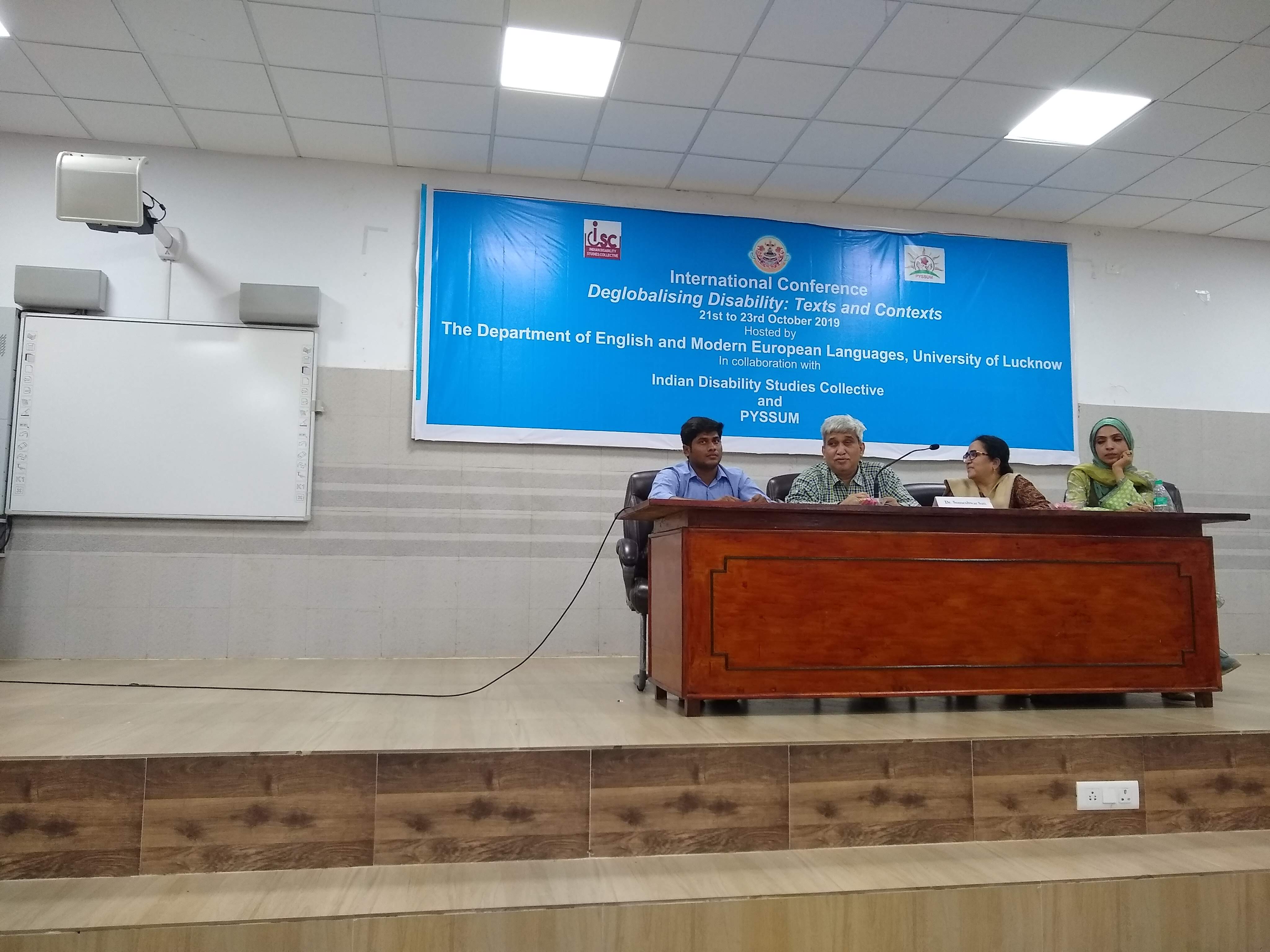
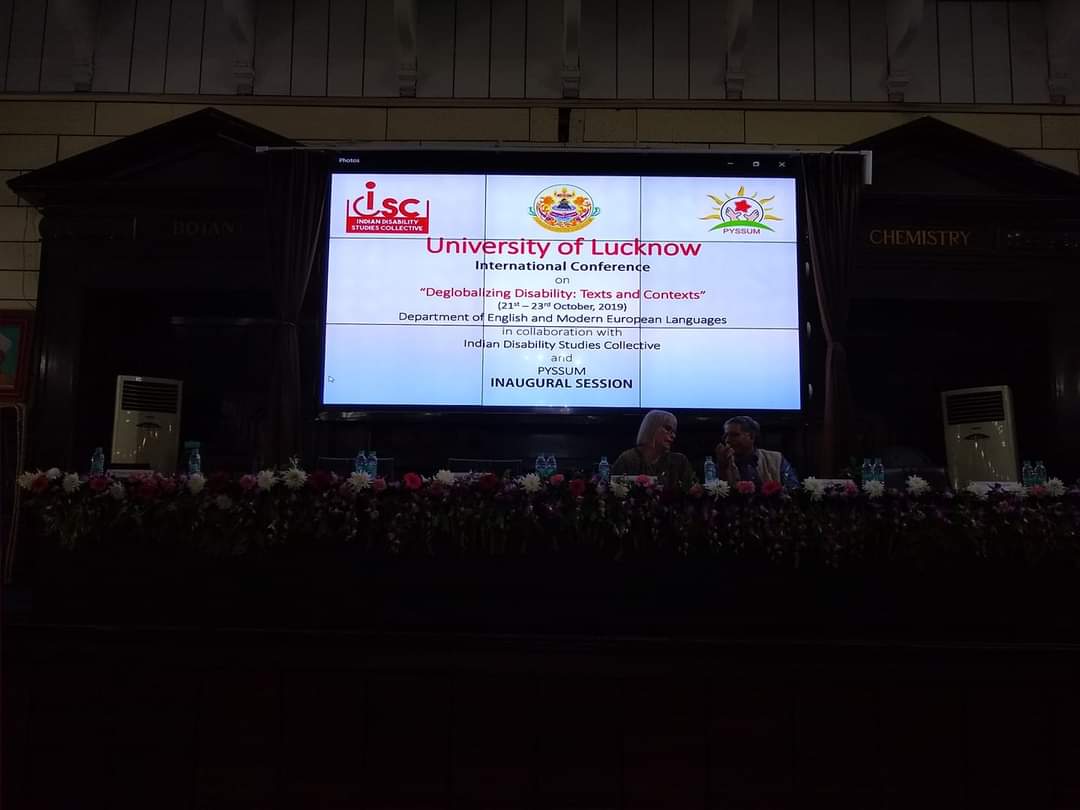
The study of disability in India has long been dominated by policy studies. A primary focus of such research is on identifying problems related to disabled people and addressing these concerns through policy measures. Disability policy research has critically assessed disability governance in significant ways and enabled developments that benefit the lives of disabled people. Nevertheless, what remains under-researched within the Indian context, is an investigation of the very concept of disability. Disability has, thus far, been treated as a self- evident category.Disability studies as a recently emerging field of academic inquiry has inaugurated research on disability that moves it away from the predominant problem-solution framework. Academic reflection on disability, in the western context, has begun to shift focus from an individuated understanding of disability as located in a person, to an examination of processes that ‘other’ individuals ostensibly on the basis of their bodily and cognitive differences. This has required thinking of disability not merely as a problem that has to be solved through treatment or prevention but as a way of being that requires critical approaches of study. Disability Studies as afield of academic inquiry is committed to the study of interrogating norms that consistently, yet variously produce body-minds of difference. Such a set of approaches has enabled thinking about the experience of living with disability not as if it were self-evident but as something that is always in the making, at the stage of ‘becoming’. Researchers with and without disabilities have engaged with the subjectivity of being disabled and the structures that frame disability and normalcy.How, if at all, do these advances benefit academic inquiry of disability in the non-western contexts? Given that disability theorizing in the western context is inextricably linked to the historical development of disability as a category within that realm, it becomes necessary to concentrate on conceptualizations of disablement within the Indian context in order to know disablement and our responses to it within specific socio-cultural and historico-political contours. Disability scholars researching the Indian contexts have long felt the need to break away from modes of theorizing that are western in orientation. The time may have arrived to decolonize the study of disability and direct ourselves to investigations that would enable our understanding of local ways of knowing and going about body-minds of difference. It is time to think about disability not as an isolated category of difference but as one that is inevitably interlinked to differences on the basis of gender, caste, religion, class, sexuality and geography, both political as well as physical.
The proposed conference invites scholars with different disciplinary and methodological interests to investigate ‘disability’ or corporeal and cognitive differences in the Indian contexts by considering the following questions and themes:
- Materially embodied experience of disablement and its literary and cultural representation
- Local ways of knowing and talking about bodies/minds/body-minds
- Institutions and disabled individuals
- Religion, society and disability
- Disability’s intersections with other categories of marginality/ minority
- Narratives of bodily and cognitive difference
- Disability hierarchy (social stratification of different impairment groups)
- Political contours of disability
- Notions of normalcy (are notions of normalcy culturally distinct?)
- Language and rhetoric of disability-related terminology
Abstracts of about 500 words on the above and related topics are invited. Abstracts must be mailed to the conference email id: conference.idsc@gmail.com latest by 5th August 2019. Intimation of the acceptance will be communicated by 20th August 2019. The selected participants are expected to submit their complete papers latest by 20th September 2019. The registration fee for the conference is Rs 2000/-. The following link may be used for registration: https://docs.google.com/forms/d/e/1FAIpQLSdbxTGmJ9XHSAd0- MfBiD7vaBKQEn1uCWj06g6MyucL2BlS9g/viewformProfessor Ranu Uniyal
Professor and Head, Department of English and Modern European Languages University of Lucknow
Dr. Someshwar Sati
Chairperson, Indian Disability Studies Collective
Attachments
Photo Gallery