About the Event
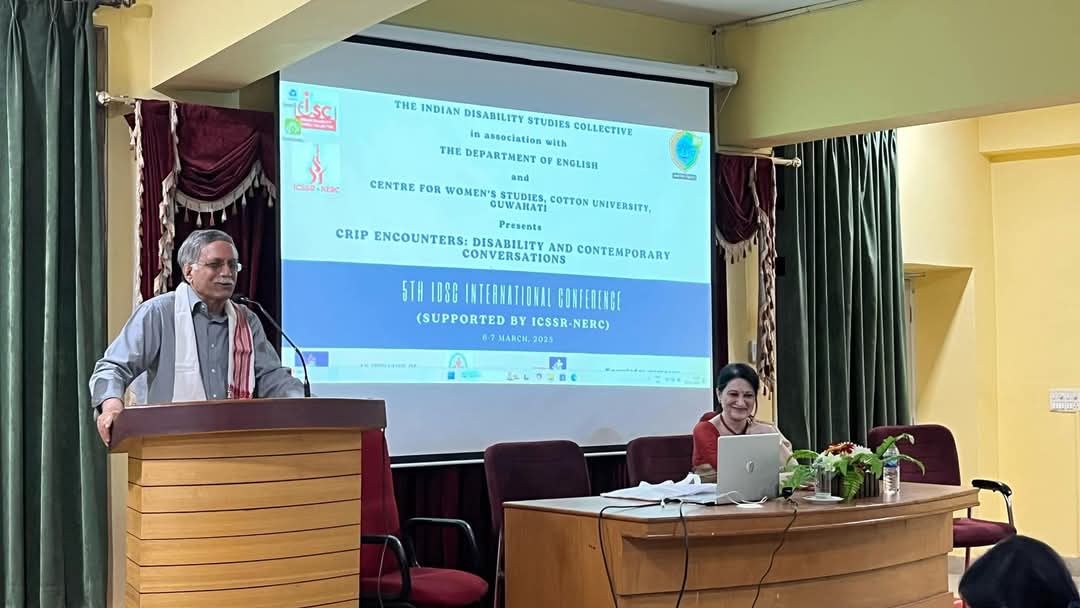
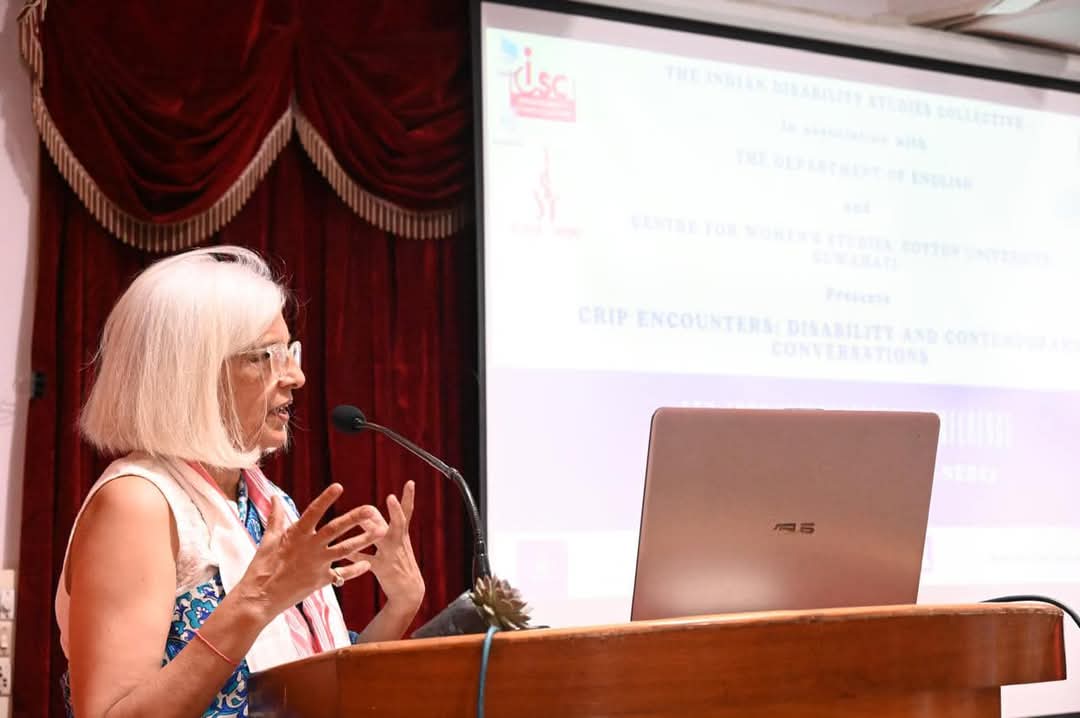
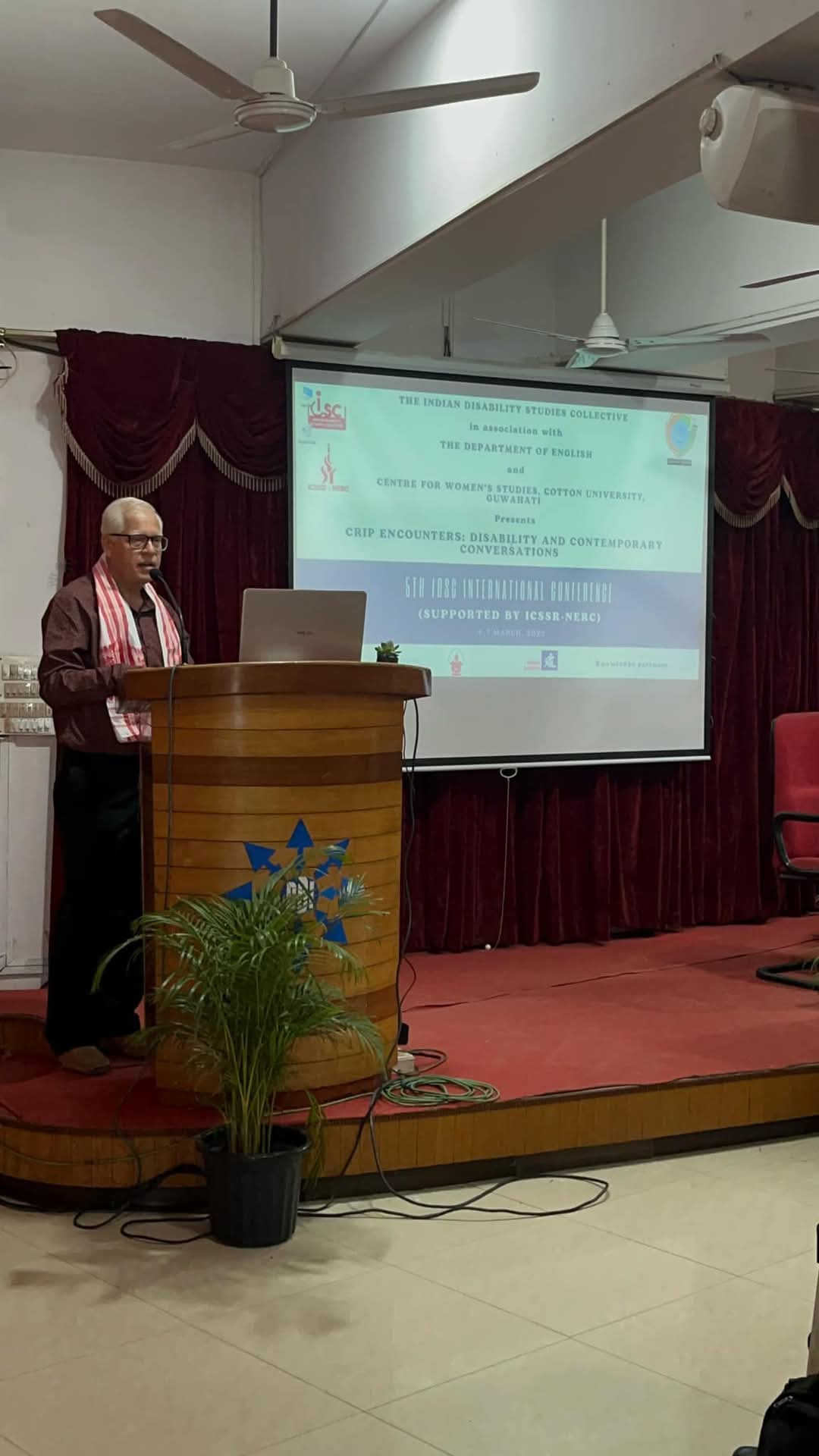
The Indian Disability Studies Collective
in association with the
Department of English, Cotton University, Guwahati and
Centre for Women’s Studies, Cotton University, Guwahati presents
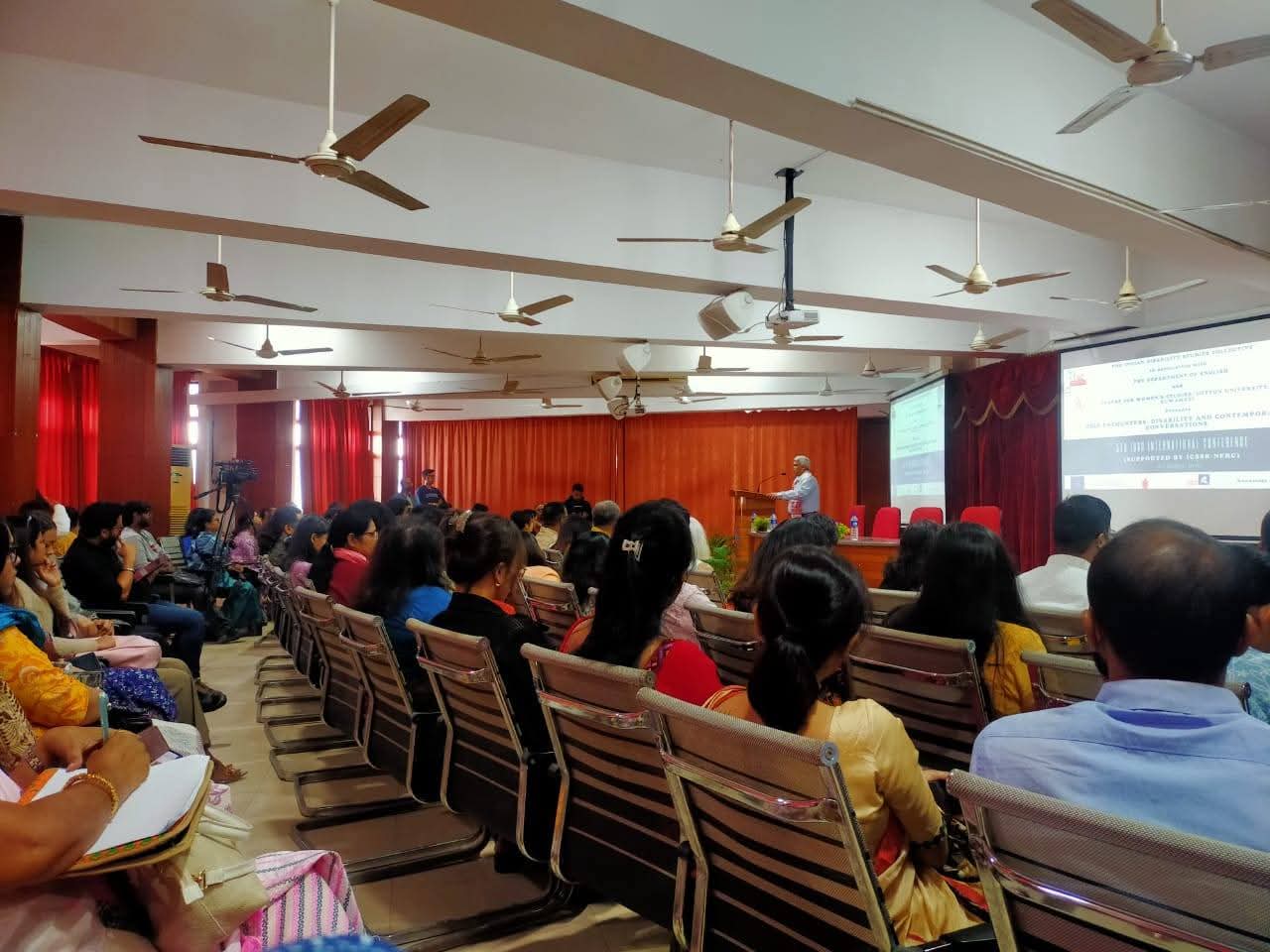
The 5th IDSC International Conference, 6-7 March, 2025
Call for Abstracts on
Crip Encounters: Disability and Contemporary Conversations
While offering a political/relational model of reconfiguring disability as a category and experience, Alison Kafer insists on the need to “contextualize, historically and politically, the meanings typically attributed to disability, thereby positioning “disability” as a set of practices and associations that can be critiqued, contested, and transformed” (2013, p 26). Treating disability as a self-contained rigid category limits its potential to make meaningful interventions in the disabled civil rights movement and its academic-intellectual discourse. Crip worlds reject ableism and foreground the importance of interdependence, democratic futures and new and generative notions of disability. In challenging the ableist normate narrative, disability scholarship and activism must explore all associated axes of social identity and systems of power at the intersections of which each unique case of disability is experienced. Investigating the linkages of disability with the domain of gender can prove very vital in understanding such interlocking systems of oppression that shape disabled lives. Kafer also places disability as an additional category in Jabir Puar’s observation that categories of difference like—race, gender, sexuality are events, actions, and encounters between bodies, rather than as simply entities and attributes of subjects” (2013, p 27). Not only does it facilitate a rearticulation of the disabled body as a gendered, sexual being, but appreciating the affinities of disability rights and culture movement with the lived experience of sexual minorities can prove to be a powerful tool in exploring the interlocking domains of race, class or gender as associated factors shaping the disability experience. The need to bring crip into the discourse underpins the imperative of what Logan Smilges terms as channeling “the political urgency of queer into disability’s unique phenomenology” (2023). Scholar-activists like Eli Clare have recognized the parallels between the queer and the cripple as constituencies that challenge dominant discourses and strive to reclaim stigmatized identities when she writes: “Queer and Cripple are cousins: words to shock, words to infuse with pride and self-love, words to resist internalized hatred, words to help forge a politics” (2015, p 84). The foundational premise in Queer theory has been the dismantling of the discourse of compulsory heteronormativity which resonates with a central goal in disability studies of challenging the discourse of compulsory ablebodiedness/mindedness. Scholar-activists have employed and acknowledged the empowering potential of the term ‘crip’ for its ability to make one ‘flinch’ (Clare 2015, p 83), to unsettle and to disturb. This seminar seeks to foreground ‘crip’ as a powerful tool to address notions of diversity and solidarities thereof within the disabled population and their stories and thus strengthen the political agenda of disability studies. The transgressive politics and, often, subversive approaches of crip and its positionalities in the discourse may unsettle existing epistemological frameworks and introduce alternative forms of sociality vis-à-vis the hegemony of abledness.
Beginning 2025, the IDSC introduces the IDSC Prize; awarded to the best paper presented at the conference.
Abstracts not exceeding 300 words are invited from scholars, field experts and academics responding to the following sub-themes listed here. This conference aims at exploring most/all these themes while not being limited to them:
- Queer disabled lives
- Decolonising Disability Studies
- Disability and gender in South Asia
- Disability, state, governance and policy
- Cripping pedagogy
- Crip worlds in cinema and audio-visual/digital media
- Crip lives in graphic media and popular culture
- Disability and literature
- Disability and the performing arts
- Crip bioethics
- Disability, care and affect
- Disability, the nonhuman and the trans/post human
- Disability ecologies and sustainable futures
- Disability in folk and oral histories
- Crip lives in the age of globalization
- Disability and biopolitics
- Disability and accessibility
- Disability, political rights and activism
References
Clare, Eli. Exile and Pride: Disability, Queerness and Liberation. Durham and London: Duke University Press, 2015.
Kafer, Alison. Feminist, Queer, Crip. Bloomington: Indiana University Press, 2013. Smilges, Logan. Crip Negativity. University of Minneapolis Press: Minneapolis, 2023.
- Submission of Abstract: 25/11/2024
- Intimation of Selection:15/12/2024
- Final Date of Registration:7/01/2025
- Submission of the complete paper for those who wish to be considered for the IDSC Prize: 01/02/2025
- Submission of the complete paper for those who do not wish to be considered for the IDSC Prize: 21/02/2025
The abstract and the paper must be sent to idscconference2025@gmail.com
Please note that the conference is open only for IDSC Members.
If you wish to be a new member of the IDSC, please click the following link and fill the form. All details are mentioned in the description of the form: https://forms.gle/8RasDR7EHyHzeCAt7
If you are already a member and need to renew your membership, you can do so through the following link: https://forms.gle/9gP18NkJNQ34rJCs6
All details are, once again, mentioned at the beginning of the form.
Any query regarding the membership may be sent to: idscmemberships@gmail.com
Any query regarding the conference may be sent to: idscconference2025@gmail.com
Organising Committee
From IDSC:
Prof. Someshwar Sati (KMC, DU) - Chairperson, IDSC
Prof. Shilpa Das (NID, Ahmedabad) – Vice Chairperson, IDSC Prof. Banibrata Mahanta (BHU) – Vice Chairperson, IDSC
Dr. Mukul Chaturvedi (ZHDC, DU) – Secretary, IDSC Dr. Anurima Chanda (BMC) – Joint Secretary, IDSC
Mr. Ritwick Bhattacharjee (SGTBKC, DU) – Treasurer, IDSC
From Cotton University, Guwahati:
Convener – Prof. Rakhee Kalita Moral
Organising Secretary - Dr. Rajashree Bargohain
Joint Secretary - Dr. Pooja Chetry
Joint Secretary - Dr. Sushma Lama
Attachments
Photo Gallery